When homeowners search for “aluminum siding,” they’re usually after a clear answer on whether this exterior cladding can provide the durability, energy efficiency, and low‑maintenance lifestyle they desire for their house. In short, aluminum siding delivers a weather‑resistant, cost‑effective solution that protects your home while keeping upkeep minimal. For a deeper dive into when a siding upgrade makes sense, see our comprehensive siding replacement guide for 2026.
What Exactly Is Aluminum Siding?
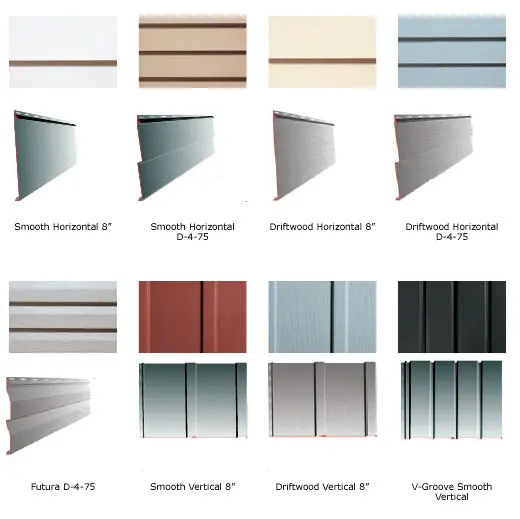
Aluminum siding is a type of metal cladding manufactured from rolled aluminum sheets that are either flat, embossed, or profiled to mimic the look of wood, stone, or traditional lap siding. Because the material is inherently rust‑proof and lightweight, it has been a popular choice for residential exteriors since the mid‑20th century. Modern production techniques add a protective coating—typically a baked enamel finish—that enhances color retention and UV resistance.
How It’s Made
- Sheet formation: Pure aluminum is alloyed with small amounts of copper, magnesium, or silicon to increase strength.
- Coating process: A primer layer is applied, followed by a baked enamel paint that can be textured to resemble wood grain or smooth for a sleek look.
- Cutting & profiling: The sheets are cut to standard dimensions (usually 12‑inch wide) and given a profile (e.g., vertical panels, horizontal lap, or board‑and‑batten).
Key Benefits of Aluminum Siding
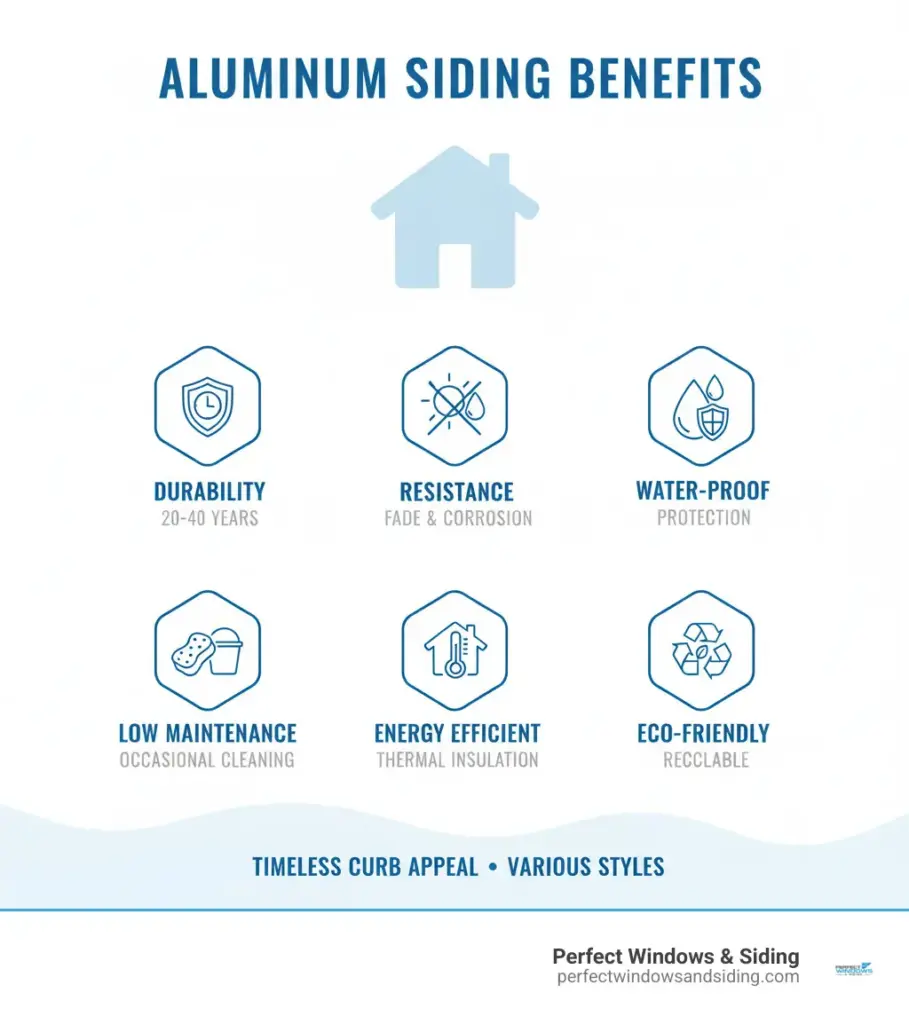
Choosing aluminum siding offers several tangible advantages that align with the priorities of today’s homeowners.
Table of Contents
- What Exactly Is Aluminum Siding?
- How It’s Made
- Key Benefits of Aluminum Siding
- Durability and Weather Resistance
- Energy Efficiency
- Low Maintenance
- Cost‑Effectiveness
- Design Flexibility
- Comparing Aluminum Siding to Other Materials
- Vinyl Siding
- Fiber Cement (Hardie Board)
- Wood Siding
- Installation: What Homeowners Should Know
- Professional vs. DIY
- Finding the Right Installer
- Preparation and Weather Considerations
- Cost Breakdown for 2026
- Environmental Impact and Sustainability
- Maintenance Tips to Extend the Life of Your Aluminum Siding
- Common Mistakes Homeowners Make with Aluminum Siding
- Frequently Asked Questions (FAQ)
- Is aluminum siding fire‑resistant?
- Can aluminum siding be painted?
- How does aluminum siding perform in coastal areas?
- Will aluminum siding increase my home’s resale value?
- What is the typical warranty period?
- Future Trends for Aluminum Siding in 2027 and Beyond
- Bottom Line: Is Aluminum Siding Right for You?
Durability and Weather Resistance
Aluminum’s natural corrosion resistance means it stands up to rain, snow, and salty coastal air without rusting. According to the Aluminum Association’s 2025 performance report, aluminum siding can endure up to 50 years of exposure before any significant degradation.
Energy Efficiency
The reflective surface of aluminum helps deflect solar heat, reducing cooling loads in hot climates. A 2024 study by the U.S. Department of Energy found that homes with aluminum siding experienced an average 4‑6% reduction in annual energy bills compared to those with traditional wood siding.
Low Maintenance
Unlike wood, aluminum does not require regular painting, sanding, or sealing. A simple wash with mild soap and water once or twice a year is enough to keep it looking fresh. This “set‑and‑forget” quality is especially appealing for busy families or seniors seeking a hassle‑free exterior.
Cost‑Effectiveness
While the upfront material cost can be slightly higher than vinyl, the long‑term savings from reduced maintenance and energy efficiency make aluminum siding a financially sound investment. The National Association of Home Builders (NAHB) estimates a lifetime cost advantage of roughly $1,200 per square foot when factoring in lower repair frequencies.
Design Flexibility
Aluminum siding comes in an extensive palette of colors and profiles, from classic white lap to contemporary vertical panels. The material can also be combined with other cladding types—such as fiber cement or stone veneer—to create a custom façade.
Comparing Aluminum Siding to Other Materials
Understanding how aluminum stacks up against alternatives helps you choose the best fit for your project.
Vinyl Siding
Vinyl is often praised for its low cost, but it can become brittle in extreme cold and is more prone to fading under UV exposure. In contrast, aluminum maintains structural integrity in both freezing and scorching temperatures. For a detailed look at vinyl siding’s pros and cons, see our Vinyl Siding 2026: Ultimate Guide.
Fiber Cement (Hardie Board)
Fiber cement offers excellent fire resistance and a wood‑like appearance, yet it is heavier and requires more labor‑intensive installation. Aluminum’s lightweight nature reduces labor costs and makes it easier for DIY enthusiasts to handle.
Wood Siding
Wood provides natural beauty but demands regular painting, sealing, and pest control. Aluminum eliminates these recurring tasks while still delivering a comparable aesthetic when embossed with wood grain patterns.
Installation: What Homeowners Should Know
Although aluminum siding is relatively straightforward to install, certain nuances affect both performance and cost.
Professional vs. DIY
Because the panels must be properly aligned, fastened, and sealed to prevent moisture infiltration, many homeowners opt for professional installers. A skilled crew can complete a typical 2,000‑square‑foot home in 5‑7 days, with labor rates ranging from $3.00 to $5.00 per square foot in 2026 (source: HomeAdvisor). If you prefer a DIY route, ensure you have the right tools—snips, a pneumatic nail gun, and a moisture barrier.
Finding the Right Installer
Choosing a reputable contractor is critical. Look for companies with a proven track record, proper licensing, and positive reviews. Our Find the Best Siding Installers Near Me – 2026 Expert Guide outlines how to vet local pros, request detailed estimates, and verify warranties.
Preparation and Weather Considerations
- Inspect the existing sheathing for rot or damage; replace any compromised sections before installing aluminum.
- Apply a moisture‑resistive barrier (e.g., Tyvek) to protect against water infiltration.
- Schedule installation during dry weather; high humidity can affect the paint’s cure time and lead to blistering.
Cost Breakdown for 2026
Below is a typical cost structure for a standard single‑family home, based on data from the Remodeling Magazine’s 2026 Cost vs. Value Report.
- Materials: $2.00–$3.50 per square foot for high‑quality aluminum panels.
- Labor: $3.00–$5.00 per square foot, depending on region and complexity.
- Additional expenses: Removal of old siding ($0.75 per square foot) and disposal fees ($0.30 per square foot).
The total installed cost typically ranges from $7,000 to $12,000 for a 2,000‑square‑foot residence, making it competitive with premium vinyl and fiber cement options.
Environmental Impact and Sustainability
Aluminum is 100% recyclable without loss of quality, and the industry boasts a 70% recycled content rate for new siding panels, according to the Aluminum Association’s 2025 sustainability report. This closed‑loop recycling reduces the carbon footprint compared with virgin material production and positions aluminum siding as an eco‑friendly choice for green‑building projects.
Maintenance Tips to Extend the Life of Your Aluminum Siding
- Routine cleaning: Use a garden hose and a soft brush with mild detergent at least twice a year.
- Inspect for dents: Small dents can be repaired with a rubber mallet or a specialized dent‑pulling tool.
- Repaint when needed: Although the enamel finish is durable, touch‑up paint may be required after 10‑15 years in high‑UV areas.
- Check caulking: Ensure all seams and window/door flashings remain sealed to prevent moisture ingress.
Common Mistakes Homeowners Make with Aluminum Siding
- Skipping the moisture barrier: Without a proper underlayment, water can seep behind the panels, leading to rot in the sheathing.
- Improper fastener spacing: Over‑driving nails can cause panel warping; follow manufacturer guidelines—typically 12‑inch spacing for studs and 8‑inch for joists.
- Choosing low‑grade paint: Cheaper paints may fade quickly; invest in a high‑quality, UV‑resistant enamel to preserve color.
- Neglecting expansion gaps: Aluminum expands and contracts with temperature changes; leave a 1/8‑inch gap at the ends of panels to avoid buckling.
Frequently Asked Questions (FAQ)
Is aluminum siding fire‑resistant?
Yes. Aluminum does not combust, making it a Class A fire‑rated material, which is the highest rating for exterior cladding.
Can aluminum siding be painted?
Absolutely. While the factory‑finished color is long‑lasting, you can repaint with a compatible enamel paint. The surface must be cleaned, lightly sanded, and primed before applying a new coat.
How does aluminum siding perform in coastal areas?
Its inherent corrosion resistance makes it ideal for salty air environments. Many coastal homeowners report no rust or degradation after decades of exposure.
Will aluminum siding increase my home’s resale value?
According to a 2026 Zillow market analysis, homes with updated aluminum siding see an average price uplift of 3–5% compared with similar properties featuring older wood or vinyl exteriors.
What is the typical warranty period?
Manufacturers often provide 20‑year limited warranties covering paint failure and corrosion, while installation warranties from contractors may range from 1 to 5 years.
Future Trends for Aluminum Siding in 2027 and Beyond
Emerging technologies are set to enhance aluminum siding even further. Nanocoating applications promise superior self‑cleaning properties, while smart‑panel systems can integrate solar‑reflective films to boost energy savings. Keep an eye on industry publications for updates on these innovations.
Bottom Line: Is Aluminum Siding Right for You?
If you prioritize a resilient, energy‑saving, and low‑maintenance exterior that also offers design versatility, aluminum siding checks all the boxes. Its long‑term cost savings, recyclability, and proven performance in harsh climates make it a compelling choice for modern homeowners. Pair it with a qualified installer, follow proper preparation steps, and you’ll enjoy a sleek, protected façade for decades to come.
For further reading on siding options and how to select the best material for your specific climate and budget, explore our Ultimate 2026 Guide to Siding for House.
External reference: Aluminum siding – Wikipedia
[ TITLE ]: Aluminum Siding 2026: Complete Guide to Benefits, Costs, Installation & Future Trends
[ META_DESC ]: Discover why aluminum siding is a durable, energy‑efficient, low‑maintenance choice in 2026. Learn costs, installation tips, and future trends.
[ TAGS ]: aluminum siding, exterior cladding, home improvement, siding installation, energy efficiency
[ CATEGORY ]: general
